
The design of luxury watches has long been a source of inspiration for the replica industry.
Brands such as Rolex, 高仿手錶 APS廠 Patek Philippe, and Omega have defined luxury through precision engineering, bold design language, and lasting desirability.
Their unmistakable appearance ensures broad appeal and instant identification, making them the most frequently copied watches on the market.
To achieve realism, fakes copy the case profile, dial markings, hand shape, and even the grain and finish of the bracelet or strap.
This level of mimicry is intentional, fueled by buyers who crave the appearance of exclusivity at a fraction of the cost.
Luxury watch aesthetics shape the entire counterfeit ecosystem beyond just outward form.
Replicators study the movement patterns, the placement of logos, and the subtle details that distinguish an authentic watch from a cheap imitation.
No detail is too small: the curvature of the lugs, the depth of numerals, and the spacing of markers are all replicated down to the micron.
The sophistication of these fakes reveals how thoroughly luxury aesthetics have become embedded in global consumer expectations.
In some cases, replicas become so refined that even experienced collectors may need close inspection to detect the differences.
The coexistence of admiration and imitation forms a troubling duality.
The widespread copying of these designs confirms their dominance in fashion and status signaling.
As replicas become harder to detect, the perceived value of the original brand begins to dilute.
Brands deploy advanced safeguards including laser micro-engraving, encrypted serial codes, and custom alloys resistant to replication.
Counterfeiters evolve faster than brand defenses, exploiting international logistics and agile manufacturing networks.
Buyer motivations are central to the replica phenomenon.
To a large segment of buyers, the visual impression matters more than the brand name.
The emotional connection to the design—whether it evokes nostalgia, success, or sophistication—remains powerful even when the product is not genuine.
As long as the design triggers aspirational feelings, the counterfeit market will remain robust.
Replicas are not mere copies—they are cultural echoes of the originals.
The most influential designs are the ones most faithfully reproduced, sometimes even improving on the original’s flaws.
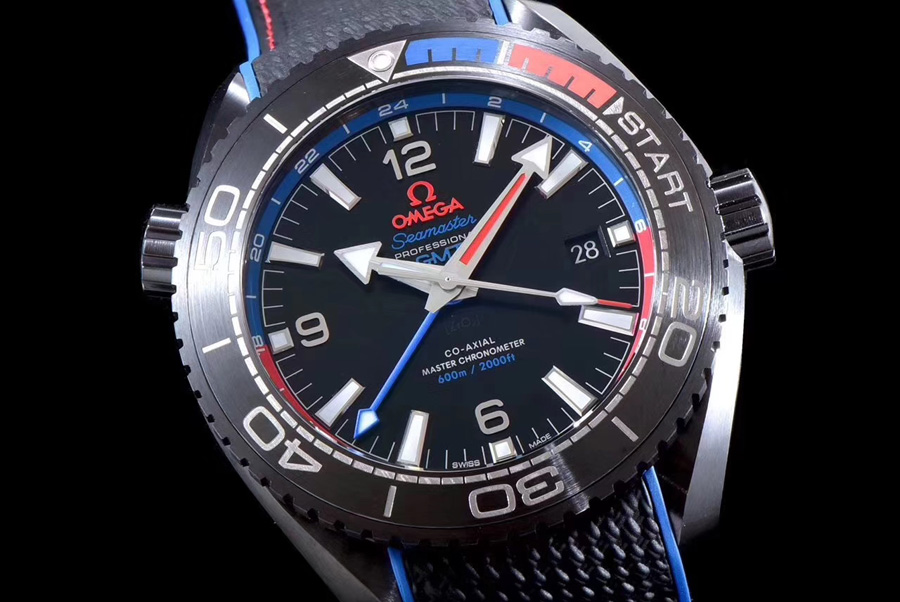
While the legal and ethical implications remain contentious, the undeniable truth is that the aesthetic power of these designs continues to shape the broader watch market.
Shaping not only appearances, but the very sense of identity and value consumers associate with their wristwear